New report: This is how young people want to develop the Norrbotten of the future
How do young people see the future in Norrbotten? What is needed for more people to want to stay, return or build their lives in the county? These are some of the questions that are at the center of the new report Young people's perspectives on future Norrbotten. The report summarizes the results of Region Norrbotten's first Future Lab.

The report is based on local idea workshops around the county and a regional hackathon where young people, officials and political decision-makers together discussed Norrbotten's future development based on the goals in the Norrbotten Strategy 2040. Future Lab has been carried out within the Youth Up North project, which is run by the Youth 2030 Movement in collaboration with Region Norrbotten.
– The report from Future Lab puts into words what young people in Norrbotten need to want to live, thrive and build their future here. These perspectives need to be an obvious part of the work to shape the Norrbotten of the future, says Isa Ponturo, youth consultant at Region Norrbotten.
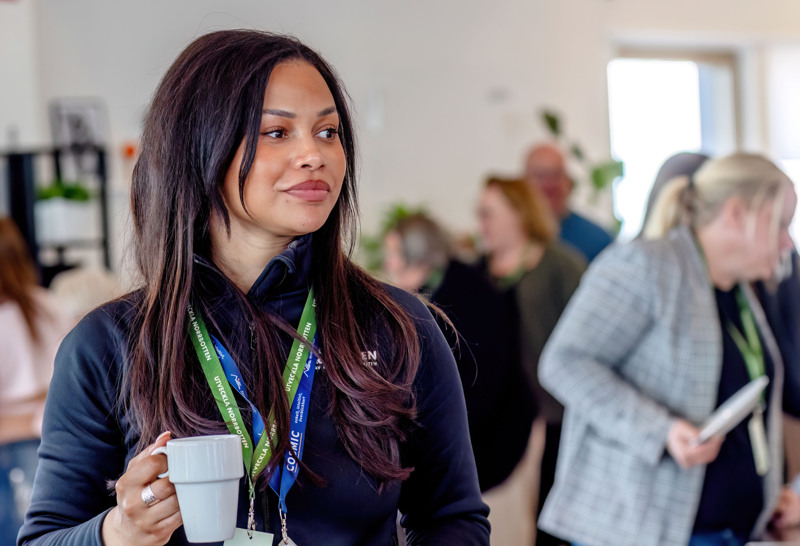
For youth consultant Isa Ponturo, Future Lab was the result of six months of intensive work.
Belief in the future affects the county's development
The report shows that many young people see great opportunities in Norrbotten. Safety, proximity to nature and a strong community are highlighted as strengths. At the same time, participants point to challenges that affect faith in the future, including access to education, public transport, housing, cultural offerings and meeting places.
Many also describe a norm where people are expected to move to create a future life.
“You don't just move for a job, you move for a life,” states one participant in the report.
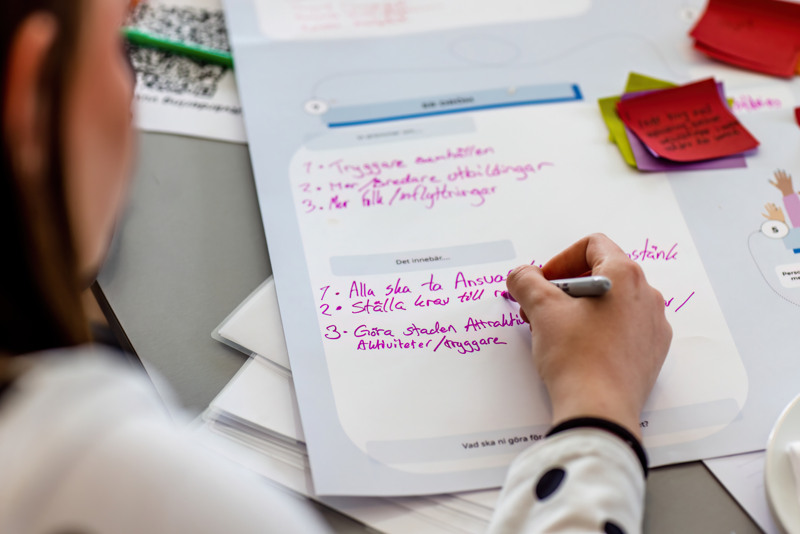
The Future Lab participants worked according to a workshop model developed by our project partner Youth 2030 Movement.
At the same time, there is a strong desire to contribute to the county's development. The analysis shows that faith in the future is not only an individual issue, but also a question of regional development, skills supply and long-term attractiveness.
Young people want to have a real impact
One of the report's clearest messages is about influence. Many young people feel that they want to contribute ideas and solutions, but that their perspectives are not always fully taken into account.
“Young people are the future. We need to be allowed into rooms where decisions are made,” says one participant.
A total of 98 people participated in Future Lab, of which 37 were young people. The evaluation shows that 69 percent of the young participants felt listened to by the decision-makers who participated and that almost three out of four gained new ideas about how they can influence society. At the same time, 46 percent stated that their trust in politicians and other decision-makers had increased after the day, while 15 percent experienced a decrease in trust.
– It is not enough to ask young people what they think. We also need to show that their input makes a difference. Future Lab has given us important insights into how we can strengthen young people's influence and create greater trust in societal development, says Elisabeth Lindberg (S), chairwoman of the regional council.
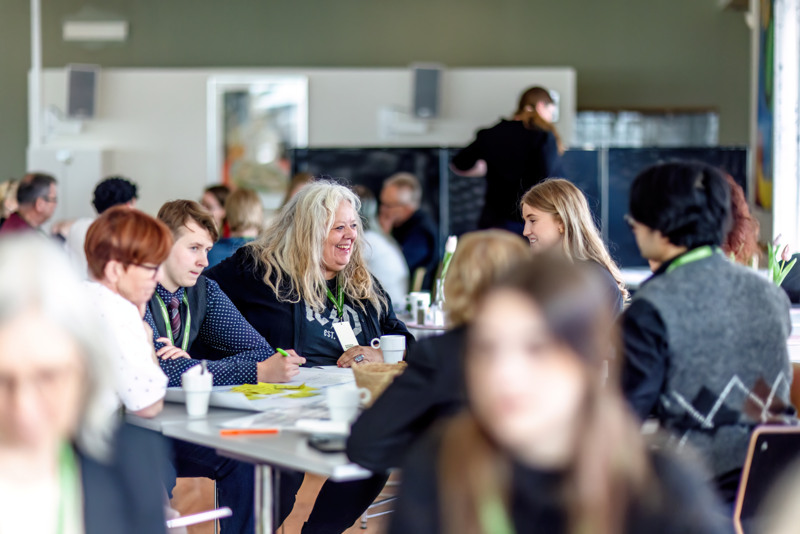
Regional Council Chair Elisabeth Lindberg (S) talks with Thor Vinblad von Walter and Julia Nordekvist, both from Boden.
From dialogue to action
The report points to three overall conclusions: that young people see regional development as a whole where several societal issues are interconnected, that faith in the future is a strategic development issue, and that young people want to be involved in shaping solutions, not just receiving decisions.
Among the recommendations are building long-term structures for young people's influence, developing recurring dialogues and providing better feedback on how young people's input is put into practice.
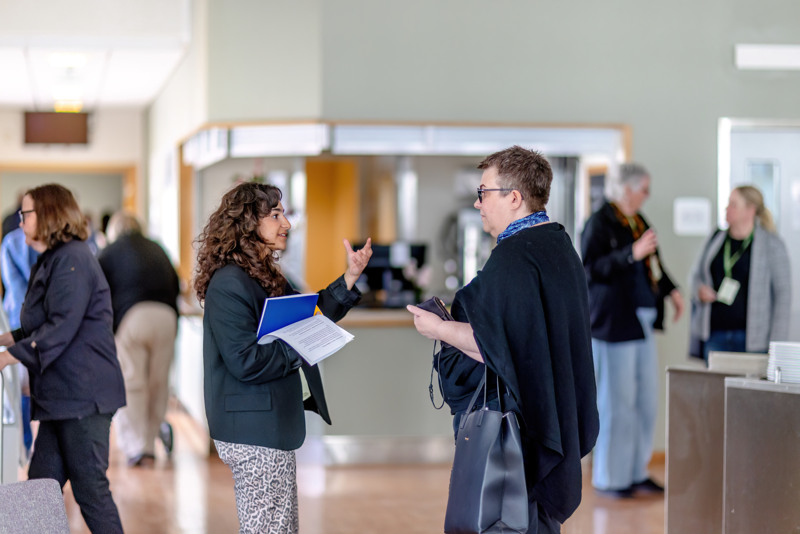
Future Lab participant Ronja Johansson in conversation with Kristina Taimi (S).
The work now continues. Future Lab will be implemented again next year before the initiative is evaluated in the fall of 2027. The Health and Medical Services Committee and the Regional Development Committee are responsible for receiving and handling the proposals that affect their respective areas of responsibility.
– Future Lab will be held again next year, with the goal of making it an annual event. The young people who participated will also receive feedback on the results and how their input will be taken forward, says Isa Ponturo.
For Region Norrbotten, the next step is to strengthen the forms of dialogue and ensure that young people's perspectives become a natural part of the regional development work. The report shows that the will to contribute already exists. The challenge going forward is to create more ways for young people to participate and shape the Norrbotten they want to live in.
You can find the report here.
Text: Sara Stylbäck Vesa
Photos: Petra Älvstrand
